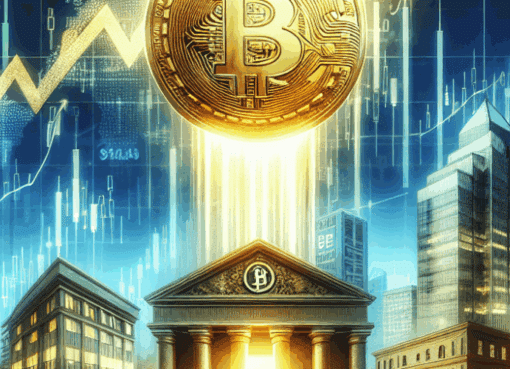
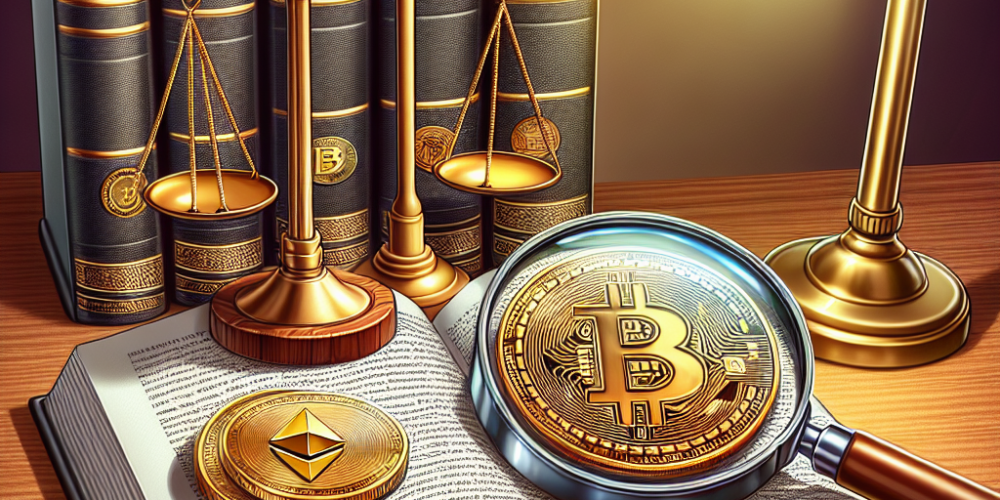
In a significant development for the cryptocurrency market, the United States Congress is currently reviewing a proposal for new legislation that aims to introduce tighter regulations on digital currencies and related financial technology. This move could potentially reshape the landscape of cryptocurrency trading and blockchain technology usage in the country.
Titled the “Digital Asset Security Act,” the proposed bill seeks to address various systemic risks posed by the unregulated nature of digital currencies and enhance the cybersecurity measures surrounding cryptocurrency transactions. The bill also includes provisions for the creation of a governmental oversight body specifically focused on digital currencies, which would work in tandem with existing financial authorities to ensure compliance with U.S. securities laws.
Key Points of the Proposed Legislation:
1. Enhanced Oversight: The new regulatory body will oversee the operations of cryptocurrency exchanges and wallet providers, ensuring they adhere to stricter security standards and consumer protection laws.
2. Consumer Protection Improvements: Measures are being introduced to protect consumers from fraud and theft by implementing more rigorous verification processes and enhanced transparency in transactions.
3. Securities Law Compliance: Digital assets will be classified and regulated similarly to traditional financial instruments, which means companies must register and disclose significant financial and operational information.
4. Encouraging Innovation: Despite the stricter regulations, the bill emphasizes support for ongoing innovation and development in the blockchain sector, aiming to maintain the U.S.’s position as a leader in digital technology.
The announcement has stirred a mixed reaction across the financial technology sector. Proponents argue that increased regulation will bring much-needed stability and legitimacy to the cryptocurrency market, potentially attracting more institutional investment. On the other hand, critics worry that overly stringent regulations might stifle innovation and drive blockchain companies to more lenient jurisdictions.
Jared Cohen, a blockchain analyst at Digital Ventures, commented on the recent developments, saying, “While the intention behind the Digital Asset Security Act is commendable, there is a fine line between regulating for safety and stifling growth. It’s crucial that this bill strikes the right balance to cultivate an environment of both security and innovation.”
The market response to the news has been notably volatile, with major cryptocurrencies like Bitcoin and Ethereum experiencing fluctuations as investors navigate the uncertainty surrounding the legislative outcomes. Moreover, cryptocurrency exchanges and wallet services are closely monitoring the situation, preparing to adapt their operations to comply with potential new legal requirements.
In anticipation of these changes, several large cryptocurrency firms have begun bolstering their legal and compliance teams, indicating that the industry is taking the proposed regulations seriously. Furthermore, these companies are also ramping up their efforts to advocate for a regulatory framework that supports technological advancements while protecting investors.
The passing of the Digital Asset Security Act could indeed mark a new era for cryptocurrency in the U.S., creating a more structured and secure framework for digital asset trading. However, it is essential that all stakeholders in the cryptocurrency ecosystem actively engage in the legislative process to ensure that the final regulations are fair, practical, and conducive to further innovation.
As the bill moves through the legislative process, it will undoubtedly continue to be a topic of significant interest and debate among policymakers, technology experts, and investors alike. The outcome of this legislation could have profound implications not only for the future of cryptocurrency but also for the broader trajectory of global digital finance.
Stay Ahead of the Crypto Market
Get breaking Bitcoin, Ethereum & altcoin news the moment it happens. Free instant alerts.