
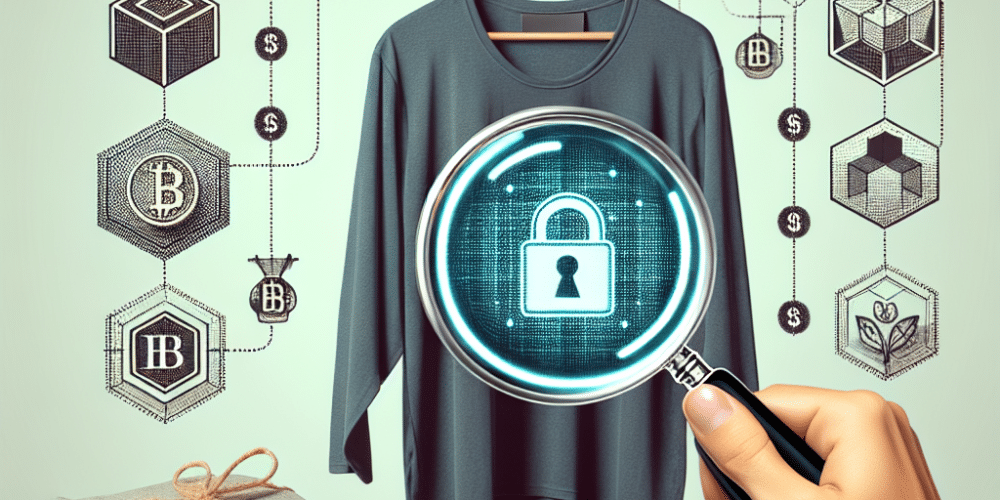
In a groundbreaking development for the fashion industry, several leading fashion houses have announced the adoption of blockchain technology to enhance transparency and ensure the authenticity of their products. This move aims to combat counterfeiting and streamline supply chains, revolutionizing how consumers interact with their favorite brands.
Global brands such as Gucci, Louis Vuitton, and Prada have initiated the integration of blockchain platforms into their inventory and retail systems. By leveraging this technology, the brands promise to provide a fully transparent pathway from production to point-of-sale for each item. The initiative was announced earlier this week and has already begun reshaping industry standards when it comes to transparency and trust.
Blockchain Technology in Fashion
Blockchain technology offers a decentralized ledger that records every transaction or movement of a product in real-time. For the fashion industry, each piece of clothing, accessory, or luxury good can be verified in terms of origin, materials used, and the authenticity of claims made by the brand. This not only helps in fighting counterfeit products but also assures customers of the ethical sourcing and manufacturing of the goods they purchase.
The fashion industry has long been plagued with issues related to counterfeit goods, which not only dilute brand value but also lead to significant economic losses. With blockchain’s immutable ledger system, each item can be traced back to its roots, and unauthorized reproductions can be quickly identified and dealt with.
Consumer Benefits and Brand Accountability
From a consumer perspective, blockchain technology empowers buyers to make informed decisions. By scanning a QR code, customers can access a detailed history of the product, including the raw materials used, manufacturing locations, and the path it took before reaching the store. This level of transparency is becoming increasingly important to consumers who are more conscious of ethical and sustainable manufacturing practices.
Furthermore, this technology fosters a stronger relationship between the brand and its consumers, built on trust and verified authenticity. Brands are held accountable, as any discrepancies between their claims and the actual product journey can be easily spotted, thereby ensuring that they adhere to their ethical standards.
Challenges and Future Prospects
While the adoption of blockchain in the fashion industry marks a significant step forward, it also presents new challenges. Integration costs, technology adoption across the supply chain, and data privacy are among the top concerns that need to be addressed. Furthermore, there is a learning curve associated with understanding and using blockchain technology for both brands and consumers.
Despite these challenges, the future looks promising. According to industry analysts, blockchain could become a standard practice in the fashion industry within the next decade, akin to how organic certification changed the food industry. This technology not only has the potential to eradicate the sale of counterfeit goods but also to create a new standard for transparency and ethics in fashion.
Industry Reactions
The announcement has been met with enthusiasm across the fashion industry. Designers and brand managers are optimistic that this early adoption of blockchain technology will set a precedent for others in the industry. In addition, consumer rights advocates have praised the move, highlighting the benefits of having greater access to product information.
In conjunction with traditional marketing, brands are increasingly turning to digital platforms and advanced technologies like blockchain to interact with their consumers. As more brands adopt this technology, it could lead to a significant transformation in how products are consumed and perceived in terms of value, quality, and sustainability.
Conclusion
The fashion industry’s foray into blockchain technology marks a pioneering step towards a more transparent, authentic, and ethical future. As this technology continues to evolve, it could very well redefine consumer expectations and brand responsibilities. For now, fashion enthusiasts and ethical shoppers can look forward to a new era of verified luxury and trustworthy retail experiences, setting a new benchmark in the global market.
Stay Ahead of the Crypto Market
Get breaking Bitcoin, Ethereum & altcoin news the moment it happens. Free instant alerts.