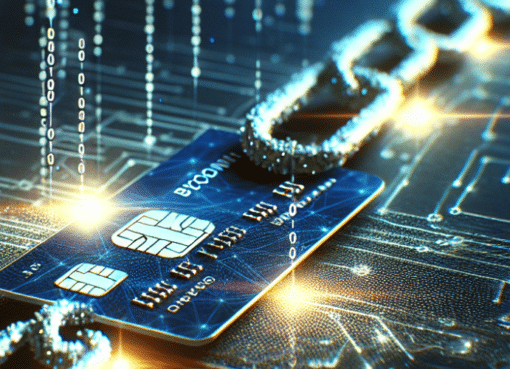

In a groundbreaking announcement made earlier today, Visa has taken a significant leap into the future of financial transactions by unveiling its new blockchain-based payment system. Dubbed “Visa B2B Connect,” this platform represents a major advancement in the way businesses handle cross-border payments, offering a faster, more secure, and efficient alternative to traditional banking methods.
Visa B2B Connect utilizes distributed ledger technology (DLT) to simplify international transactions, cutting out the middlemen typically involved in these processes. This innovation is poised to revolutionize the financial sector by reducing the time it takes for large payments to clear, from several days to just a matter of minutes. Moreover, the inherent transparency and security of blockchain technology ensure that all transactions are both traceable and tamper-proof, addressing significant pain points in the current system.
Unpacking the Technical Brilliance: How Visa B2B Connect Works
The core of Visa’s new system is built on a proprietary blockchain architecture which ensures that information is decentralized, enhancing security and minimizing the risk of fraud. Each transaction on the B2B Connect platform is recorded on a ledger that is immutable, meaning that once information is added, it cannot be altered or deleted. This feature is crucial for building trust among users and for compliance with global financial regulations.
In essence, Visa B2B Connect acts as a bridge between the sender and receiver banks, creating a direct connection without the need for intermediaries. This setup not only speeds up the transaction process but also reduces the costs associated with fees typically levied by third parties.
Market Response and Industry Impact
The announcement of Visa B2B Connect has sent ripples through the financial industry, highlighting a growing trend of traditional financial institutions embracing blockchain technology. Analysts predict that Visa’s new platform could set a standard for future transactions and potentially encourage other companies to explore similar blockchain-based solutions.
From a market perspective, Visa’s stock saw an uptick following the announcement, reflecting investor confidence in the company’s innovative approach. Likewise, the broader blockchain market has responded positively, with increases in investment flowing into technology startups focused on similar blockchain applications.
Global Implications and Future Prospects
Visa’s move into blockchain could have significant implications for international commerce, especially in regions where financial infrastructure is less developed. By providing a more reliable and accessible platform, Visa B2B Connect could help facilitate smoother trade worldwide, contributing to economic growth in developing countries.
Looking ahead, Visa plans to expand the capabilities of B2B Connect to include more currencies and to potentially integrate smart contract functionalities, which could automate various aspects of the transaction process based on pre-set conditions. Such advancements could further enhance the efficiency and applicability of the platform.
Conclusion: A New Era for Financial Transactions
With the launch of Visa B2B Connect, the financial services giant has not only demonstrated its commitment to innovation but has also laid down a marker for the future of financial transactions. As blockchain technology continues to evolve, its integration into mainstream financial services appears inevitable.
Visa’s pioneering efforts may well be remembered as a turning point in the journey towards a more interconnected and efficient global economy. For businesses and financial institutions, staying abreast of these innovations will be crucial in leveraging the potential benefits of blockchain technology.
Today’s announcement by Visa also reinforces the vital role that traditional financial players will play in shaping the future of digital transactions. As blockchain becomes more deeply integrated into the financial landscape, the opportunities for enhancing transaction efficiency, reducing costs, and improving security are boundless. The journey of blockchain into mainstream financial usage is just beginning, and Visa’s latest move is a bold stride forward on this path.
Stay Ahead of the Crypto Market
Get breaking Bitcoin, Ethereum & altcoin news the moment it happens. Free instant alerts.