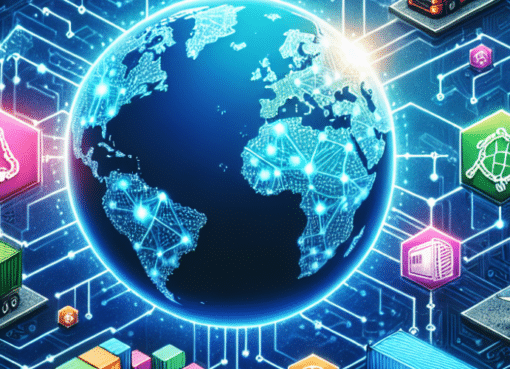
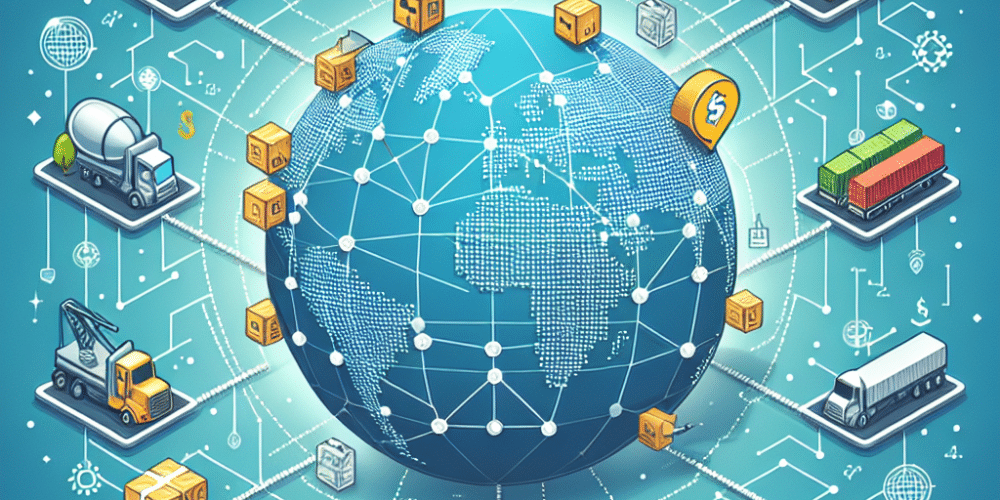
In a groundbreaking development, blockchain technology is set to dramatically transform global supply chain management. A consortium of multinational corporations, including tech giants and logistics leaders, announced the launch of a new blockchain platform designed to enhance transparency, efficiency, and security in supply chains worldwide.
The platform, named ChainLinkX, aims to leverage blockchain’s decentralized and immutable ledger to track goods from production to delivery, ensuring that all stakeholders have access to real-time, tamper-proof data. This innovation comes at a critical time when supply chain disruptions, such as those caused by the COVID-19 pandemic and geopolitical tensions, have highlighted the need for more resilient and transparent systems.
Key Features of ChainLinkX
ChainLinkX will integrate cutting-edge features that promise to resolve many of the longstanding challenges in supply chain management:
1. Real-Time Tracking: Employing smart contracts, ChainLinkX will enable automatic updates and notifications throughout every step of the supply chain, from manufacturing to final delivery. This feature is designed to minimize delays and enhance the speed of operations.
2. Enhanced Security: With cybersecurity threats on the rise, ChainLinkX’s blockchain infrastructure offers superior security measures. The decentralized nature of blockchain means that the data on ChainLinkX cannot be altered or deleted by unauthorized parties, significantly reducing the risk of fraud and data breaches.
3. Improved Transparency: All participants in the supply chain, including suppliers, transporters, retailers, and consumers, will have access to the same information, potentially reducing disputes and enhancing trust among parties.
4. Increased Efficiency and Reduced Costs: By automating various processes such as payments and compliance checks, ChainLinkX stands to not only speed up the supply chain but also cut operational costs significantly.
Impact on Industries
The implications of ChainLinkX are vast and varied. For the retail sector, it could mean more consistent availability of products and a reduction in losses due to counterfeit goods. Manufacturers might see streamlined operations and improved compliance with regulatory standards. Moreover, the transparency provided by ChainLinkX could lead to more sustainable practices as companies become increasingly accountable for their supply chains’ environmental impacts.
Global Adoption and Future Prospects
The introduction of ChainLinkX has already stirred significant interest globally. Several Fortune 500 companies have expressed intent to integrate this technology into their operations. Experts predict that as more organizations recognize the benefits of blockchain in streamlining supply chains, adoption rates will surge.
Moreover, industry analysts suggest that the data generated by ChainLinkX could foster a new wave of innovation in areas like big data analytics and artificial intelligence, further enhancing supply chain operations and strategic planning.
Challenges and Considerations
Despite the promising prospects, the implementation of ChainLinkX is not without challenges. Interoperability between different blockchain systems, the need for significant upskilling and training in blockchain technology, and the establishment of global standards for blockchain in supply chain management are some of the hurdles that need to be addressed.
Furthermore, regulatory scrutiny could pose a significant challenge, as governments around the world grapple with how to manage and oversee blockchain technologies. Ensuring compliance with various international laws and regulations will be crucial for the widespread adoption of ChainLinkX.
Conclusion
As ChainLinkX gears up for its roll-out, the potential for blockchain to revolutionize supply chain management is clear. While hurdles remain, the collaborative effort of leading global corporations in developing this platform demonstrates a significant step forward in tackling the complexities of modern supply chains. As we watch this technology unfold, it’s evident that the future of logistics and supply management lies in blockchain.