
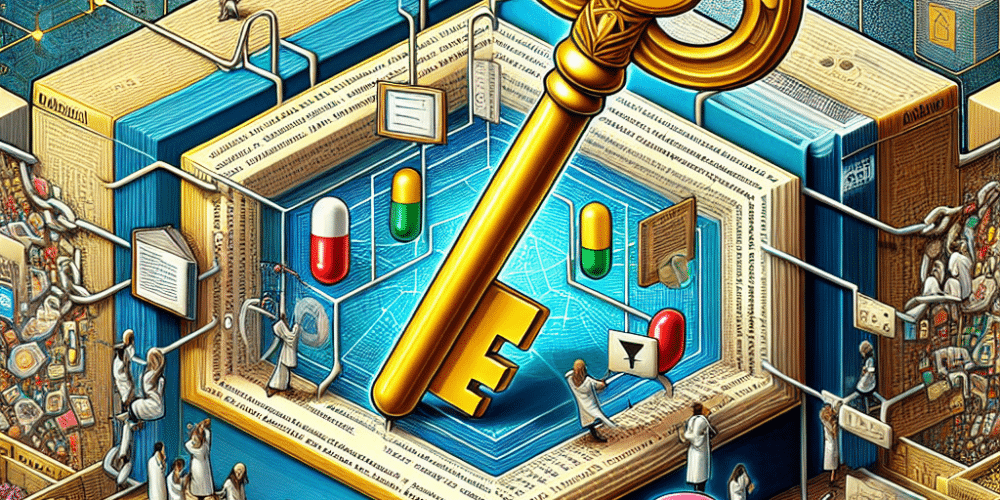
In a groundbreaking announcement today, the U.S. Food and Drug Administration (FDA) has approved the first-ever blockchain-powered drug verification system, aimed at combating counterfeit medications and enhancing drug supply chain security. This revolutionary system, developed by pharmaceutical giant PharmaSecure, employs blockchain technology to create a secure, transparent, and immutable ledger for tracking drug authenticity from production to consumer.
Setting a New Standard in Pharmaceutical Safety
The newly approved system, named “SecurePharm,” represents a significant step forward in the battle against counterfeit drugs, which pose a growing threat to global health. According to the World Health Organization (WHO), counterfeit medicines account for an estimated 10% of global pharmaceuticals, risking lives and undermining trust in healthcare systems.
SecurePharm utilizes blockchain’s decentralized nature, allowing multiple parties—manufacturers, distributors, pharmacies, and regulators—to verify the authenticity of drug packages through a secure digital ledger. Every step in the supply chain is recorded, ensuring that any attempt to introduce counterfeit products can be detected and traced back to its source.
The Technology Behind the Innovation
Blockchain technology, best known as the backbone of cryptocurrencies like Bitcoin, offers unique benefits that make it ideal for supply chain management, particularly in high-stakes industries such as pharmaceuticals. Its key features include decentralization, transparency, and immutability:
– Decentralization: Unlike traditional records kept by a central authority, blockchain distributes its data across a network of computers, making it less vulnerable to fraud and cyberattacks.
– Transparency: All transactions on a blockchain are visible to all participants and cannot be changed once recorded, fostering trust and accountability.
– Immutability: Once data has been entered into the blockchain, it is nearly impossible to alter, effectively preventing tampering and ensuring data integrity.
Industry and Regulatory Implications
The FDA’s approval of SecurePharm could potentially revolutionize drug verification globally. “This approval is not just a milestone for our company but a pivotal moment for the pharmaceutical industry,” stated Dr. Jane Holloway, CTO of PharmaSecure. “By leveraging blockchain, we can assure the authenticity of our products, protect our consumers, and build a more resilient supply chain.”
The system is set to be rolled out in phases, starting with high-risk medications prone to counterfeiting. Over time, PharmaSecure plans to expand SecurePharm to include all of its products and hopes other companies will follow suit.
Regulatory bodies have shown strong support for this technological shift. FDA Commissioner Dr. Lucas Grant noted, “The adoption of blockchain technology within the pharmaceutical sector could significantly hinder the distribution of counterfeit drugs and allow for quicker, more efficient recalls of defective products.”
Global Impact and Future Prospects
The implications of blockchain in pharmaceuticals extend beyond U.S. borders. Countries with less stringent regulatory environments, where counterfeit drugs are more prevalent, could see significant benefits from adopting similar systems. Moreover, blockchain’s application could eventually spread to other areas of healthcare, such as medical records management and patient data security.
Looking ahead, industry experts predict that blockchain could become a standard technology in the pharmaceutical industry within the next decade. As other companies and regulatory bodies observe the benefits and efficiencies gained from SecurePharm, the pressure to adopt similar systems will likely increase, setting a new standard in pharmaceutical logistics and public health protection.
Conclusion
Today’s FDA approval of the blockchain-based drug verification system marks a critical advancement in ensuring the safety and authenticity of pharmaceuticals. As this technology continues to evolve and expand, its potential to secure and streamline various other sectors remains vast and largely untapped. This milestone not only highlights the capabilities of blockchain technology but also sets the stage for its future applications in healthcare and beyond, promising a safer, more transparent world.
As blockchain technology solidifies its role in critical industries, its transformative impact continues to unfold, heralding a new era of digital innovation and security.