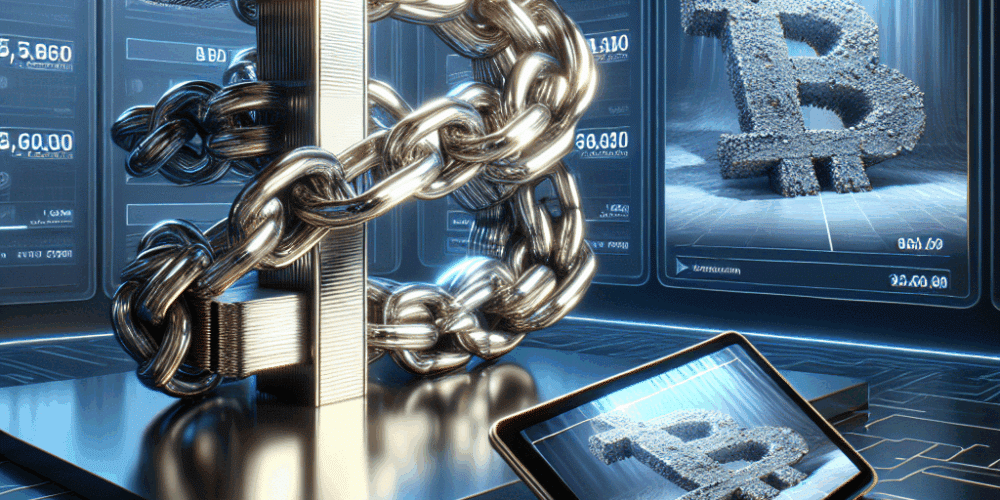
In an unprecedented development that is causing ripples across both the digital and traditional art worlds, a recent online auction saw non-fungible tokens (NFTs) artworks being sold for record-breaking amounts. This latest auction highlights the burgeoning relationship between blockchain technology and the arts, setting new standards in the valuation and appreciation of digital assets.
NFTs, unique digital assets that are secured and authenticated using blockchain technology, have taken the art world by storm over the past year, with high-profile sales involving digital artists and auction houses. The latest sale, which concluded yesterday on the Ethereum blockchain platform, featured digital artwork from emerging artists as well as established names in the field. The highlight of the auction was the sale of a digital piece by pseudonymous artist “Cryptonia,” which fetched a staggering $2 million, marking it as one of the highest prices ever paid for digital art.
This surge in NFT popularity and valuation is not just a boon for artists but also reflects broader trends in the adoption of blockchain technologies. “The sale not only underscores the increasing legitimacy of NFTs as valuable collectibles but also demonstrates the robustness of the blockchain as a platform for secure and transparent financial transactions,” explains blockchain analyst Tara Emerson. “What we are witnessing is not just a revolution in the art market but also a potential transformation in how we perceive and exchange value digitally.”
The auction, conducted entirely online, utilized Ethereum’s blockchain to ensure every bid was recorded in an immutable ledger, making the process transparent and tamper-proof. This is a significant enhancement over traditional online auctions, where concerns around fraud and authenticity often prevail. With blockchain, each piece of digital art is accompanied by a provenance and ownership history that is as verifiable as the artwork itself is unique.
The impact of blockchain on the art world also extends beyond sales and auctions. Artists are increasingly leveraging the technology to assert more control over their works and their distribution. Digital artists, in particular, find NFTs appealing because they provide a mechanism to earn royalties automatically, facilitated by smart contracts on blockchains every time their art is resold in the secondary market. This is a game-changer in an industry where artist compensation has traditionally been a contentious issue.
Art collectors and investors are equally enthusiastic about the potential of blockchain in the art sector. Beyond the novelty of owning digital art, blockchain’s inherent properties such as decentralization, immutability, and transparency offer a level of security and trust in the authenticity and legality of the transactions, which is often lacking in the art world. Moreover, the ability to trace the history and verify the authenticity of digital assets without the need for third-party verification plays into broader demands for transparency in transactions.
Despite the optimistic outlook, challenges remain. The environmental impact of maintaining blockchain, especially those that require extensive computational power like Bitcoin, has been a point of significant criticism. However, newer technologies such as proof-of-stake are being adopted to mitigate these issues. Moreover, the volatility of cryptocurrency, used to purchase NFTs, adds a layer of financial risk to investors and collectors.
Looking forward, the intersection of blockchain technology and the art world is poised for further growth. As blockchain platforms become more user-friendly and accessible, the number of artists and collectors engaging with digital assets is expected to rise. “This is just the beginning,” says Emerson. “Blockchain’s potential to transform not just the art world but numerous other sectors is immense. What’s essential is to continue fostering a balanced dialogue about the opportunities and the challenges.”
As blockchain continues to carve a niche in the art sector, its influence is expected to expand to other areas of creativity and intellectual property. For artists and collectors alike, the digital landscape offers a new realm of possibilities, merging artistic expression with technological innovation in ways that were previously unimaginable.